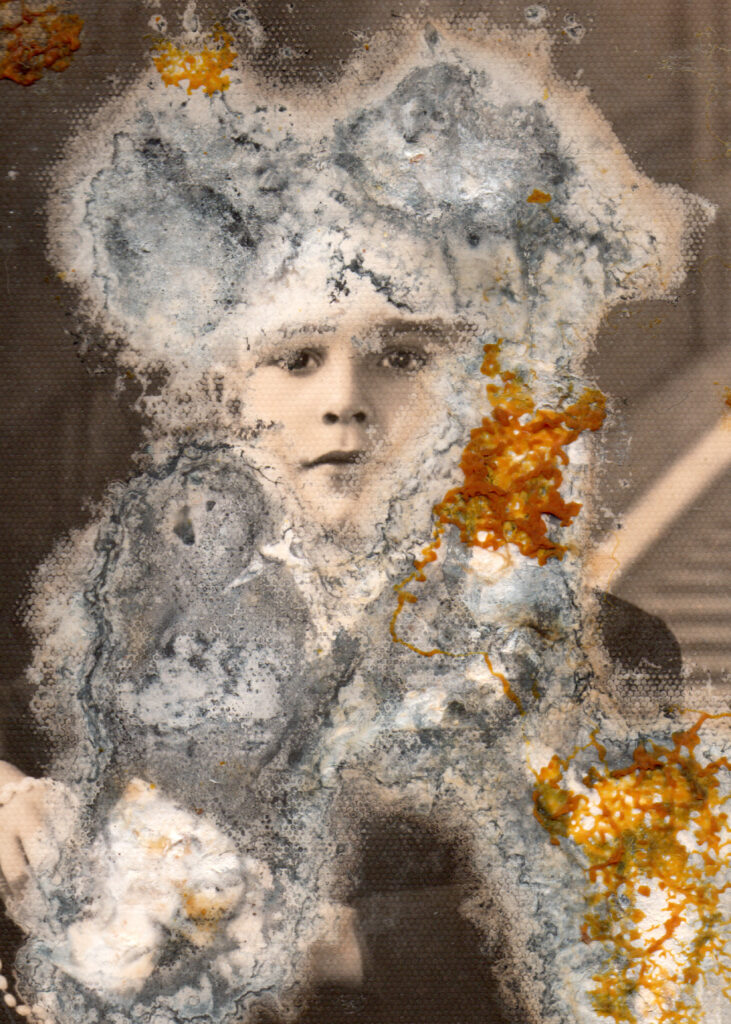
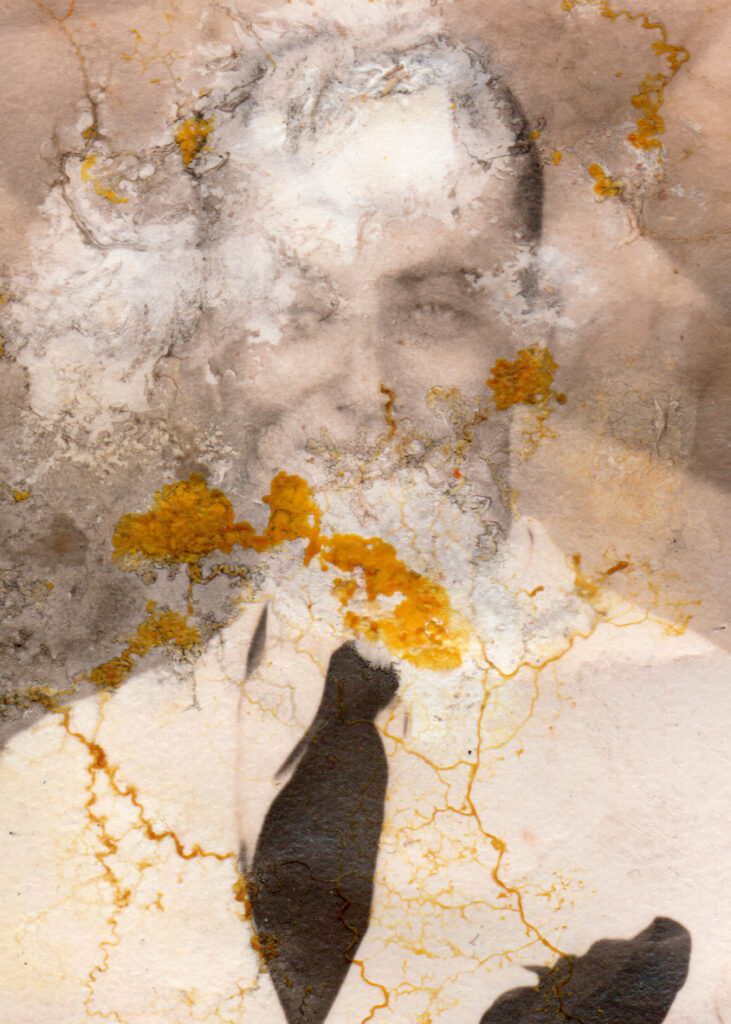
Roberta Stamato (Brazil, 1970) is a visual artist and photographer. After many years working as a stylist and costume designer—and several years treating photography as more than just a hobby—Roberta decided to dedicate herself to what has always been her true passion.
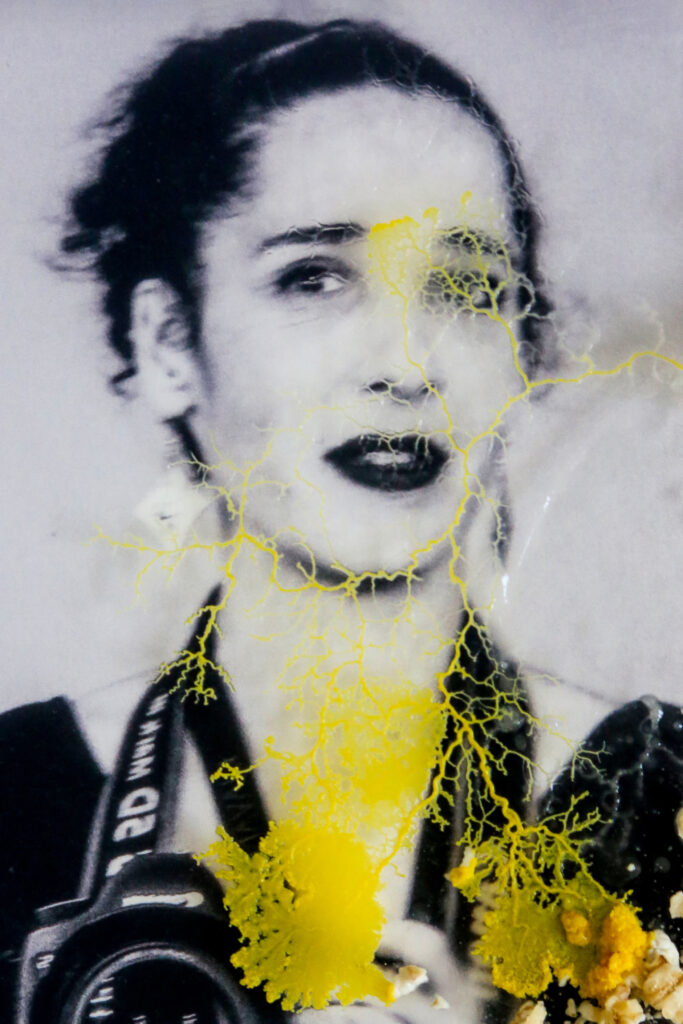
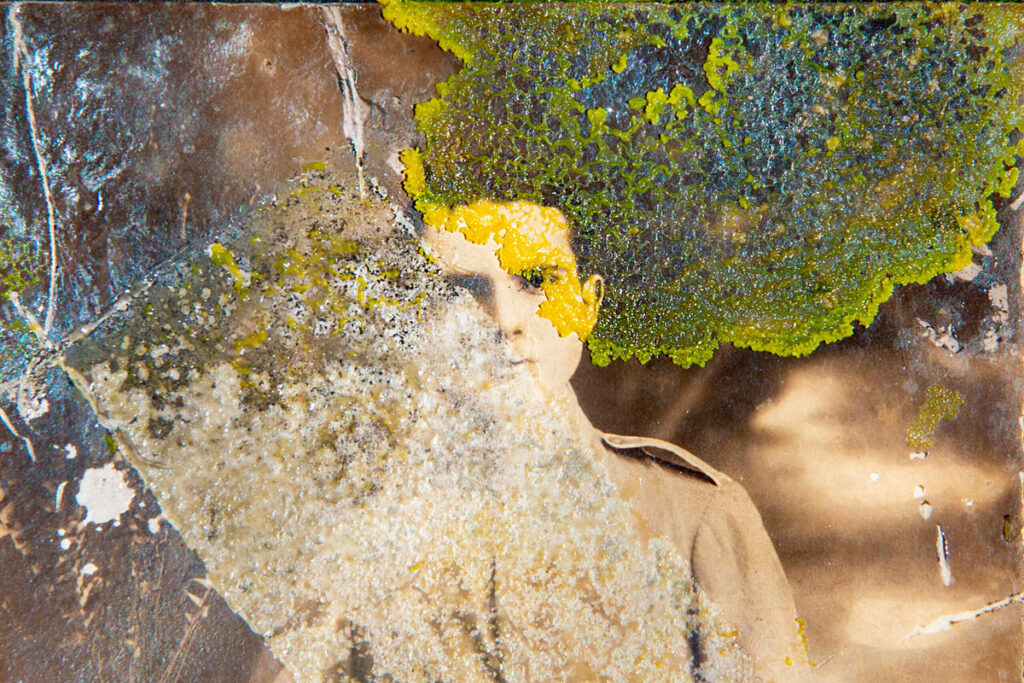
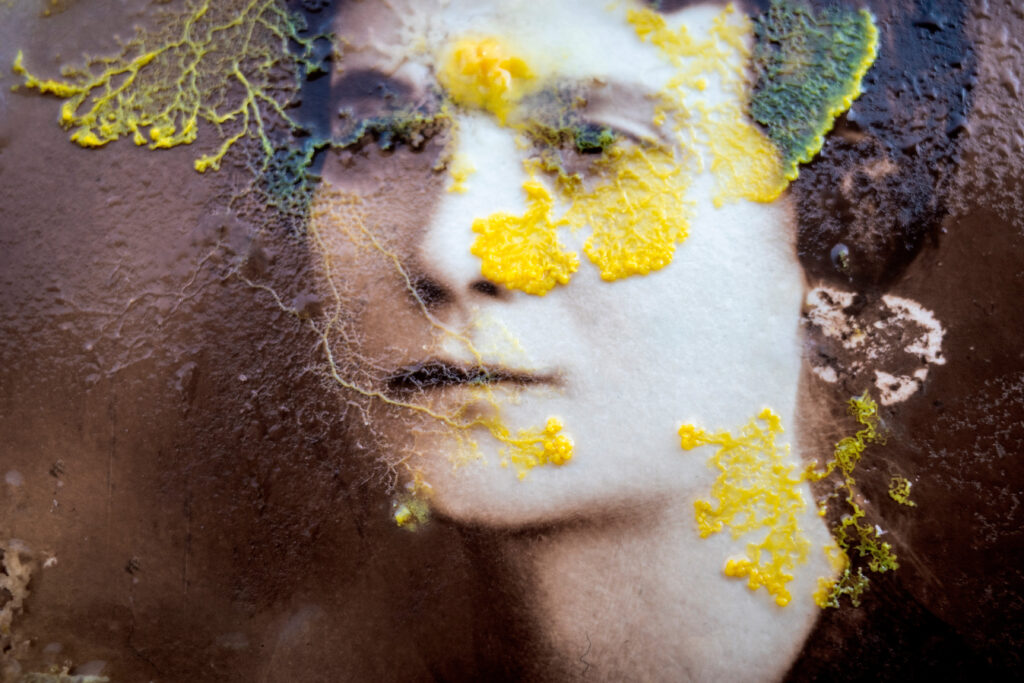
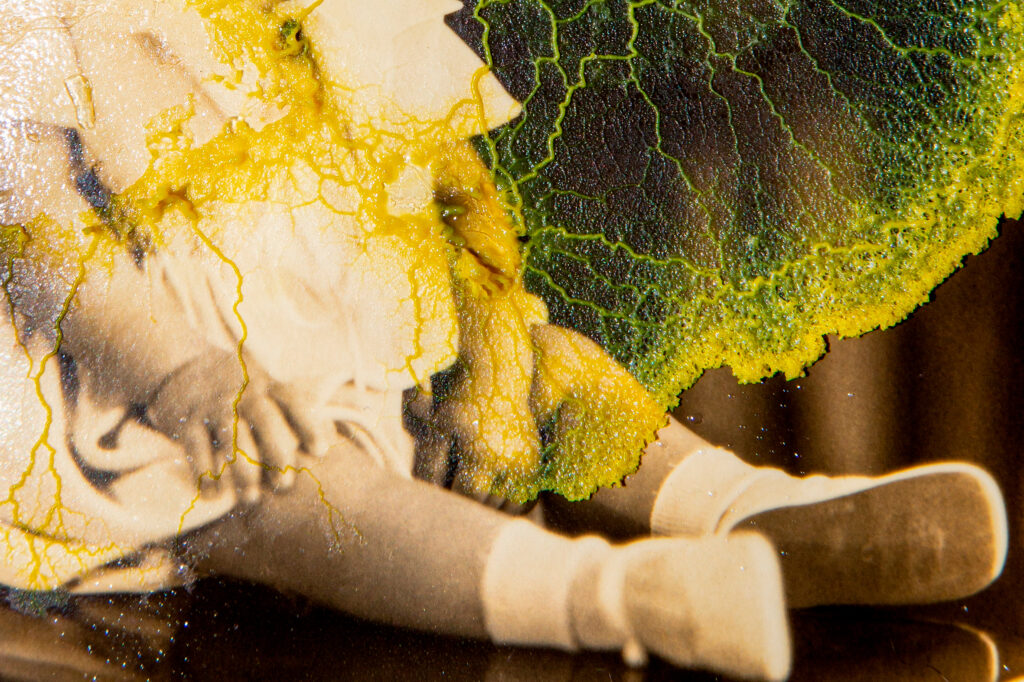
Her first step was winning a competition for a postgraduate degree in Photography and Visual Design at NABA in Milan. Despite her years of experience in fashion, her work took a different direction, creating art based on photography for the purposes of experimentation and questioning. Her path goes hand in hand with ecology and the boundary between what is eternal and what changes. One of her greatest pleasures is literally giving life to images; she uses photography to reflect on the relationship between durability and disappearance, relying on the help of plants, fungi, and even insects as interference.
How did your journey into the art world begin?
I have always been very connected to art, but it took me a long time to understand that I am an artist. I had been photographing for a few years and thought that to make my career transition, specializing in photography would be a good idea. It was, but I ended up moving toward a much less commercial side than I imagined. Studying photography in an art school made me understand processes far beyond aesthetics. When I understood that I could literally give voice and life to my work, I found myself exactly where I always wanted to be.
What themes do you prefer to explore in your works?
Diversity, ancestry, and sexuality are very present in my work.
What are your sources of inspiration?
Nature, biology, ecology, science, and philosophy.

What materials and techniques do you use most often?
Photography is always the base of my work; even in sculptures or installations, the photographic element will always be present. During my process with "living photographs," I produce many images because, with the interference of living beings, the work transforms, and I record all its stages. I use a lot of German photographic paper made of natural fibers; it resists my experiments with myxomycetes, plants, mushrooms, insects, etc. My printer is one of my best friends. I also like old photographs printed with emulsion, which give me a unique result that is impossible to reproduce.
Who are the artistic influences that have impacted your work?
Ackroyd & Harvey, with their transient chlorophyll images printed with light on different types of grasses. Ana Mendieta, with her rituals of transformation where she merged her body with nature and the elements of water, earth, fire, and air. Andy Goldsworthy and his sculptures made with natural elements that quickly decay, speaking of transformation, much like the others I mentioned.
Have you participated in any notable exhibitions that you would like to share?
Here I am showing a project that I haven't exhibited yet (Genetic Memory), but I recently presented one of my projects called Ecosex Reverso in Italy (Milan - March 2024) and also had the opportunity to show that same project in Rio de Janeiro in September 2024. I was able to show some "living photos" that underwent daily transformations which could be followed by the public. In Italy, it was very interesting because I had people from 13 different countries, and in Rio de Janeiro it was incredible as well—to be able to show what I produced after a few years away from Brazil, combined with the period of the pandemic.