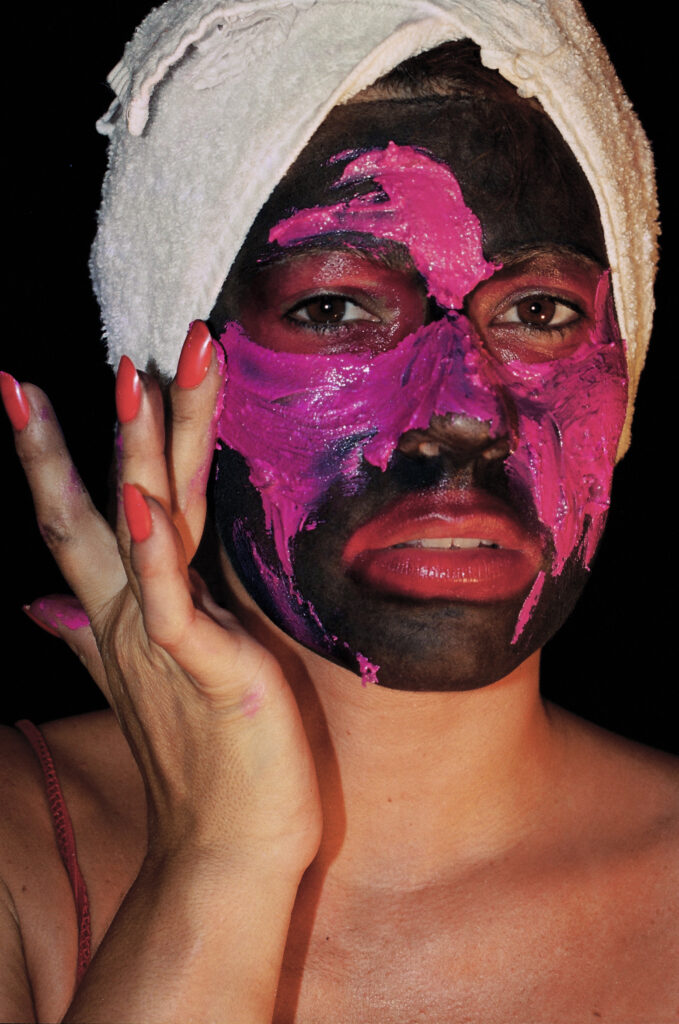
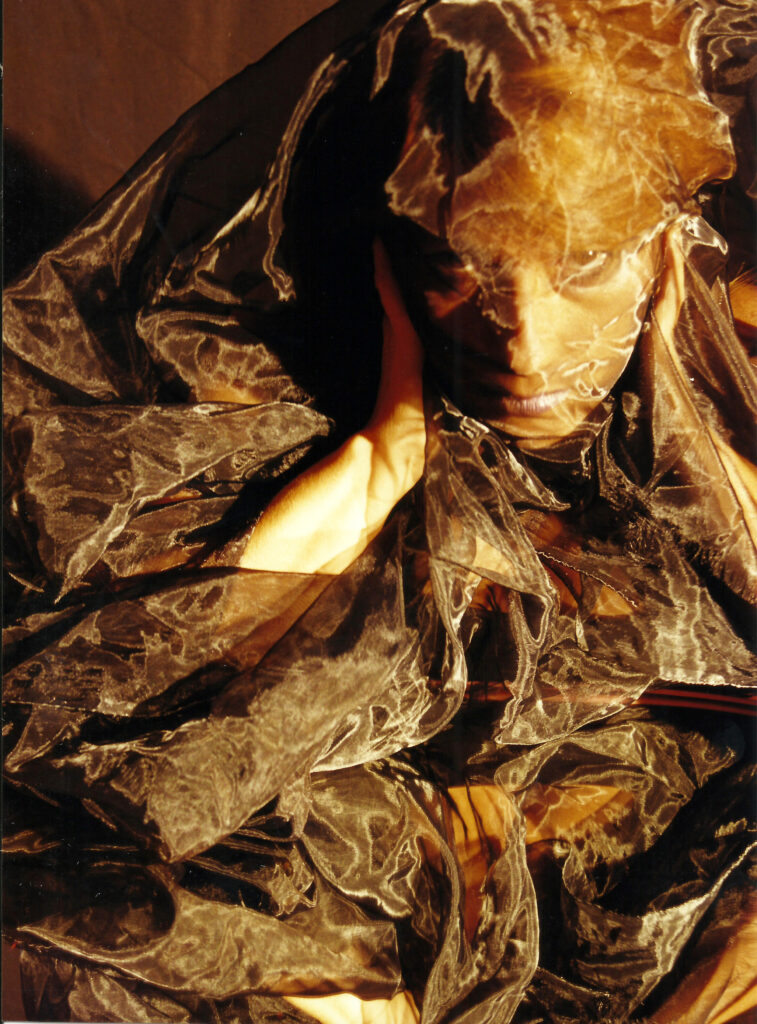
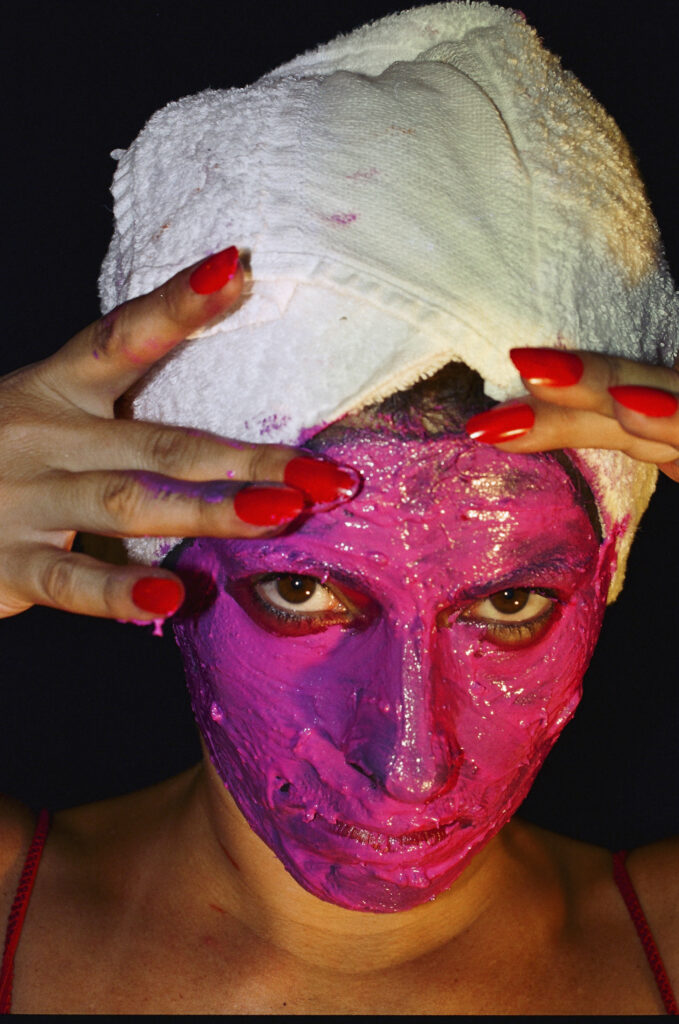
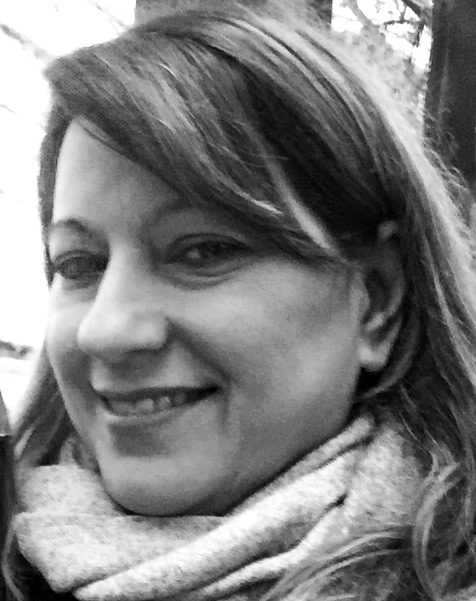
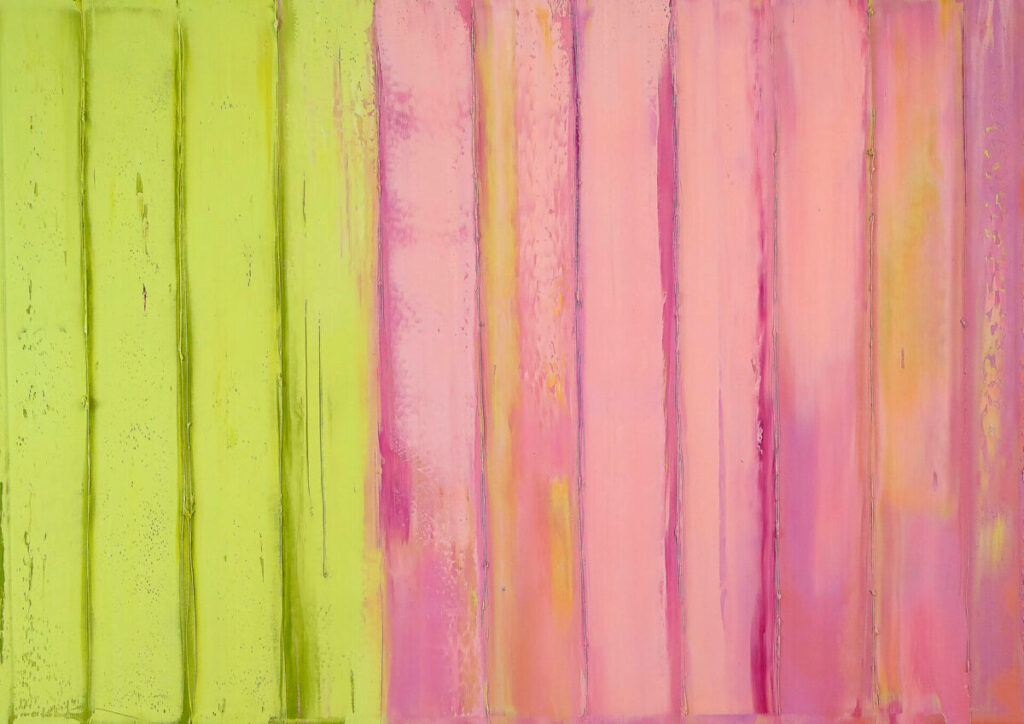
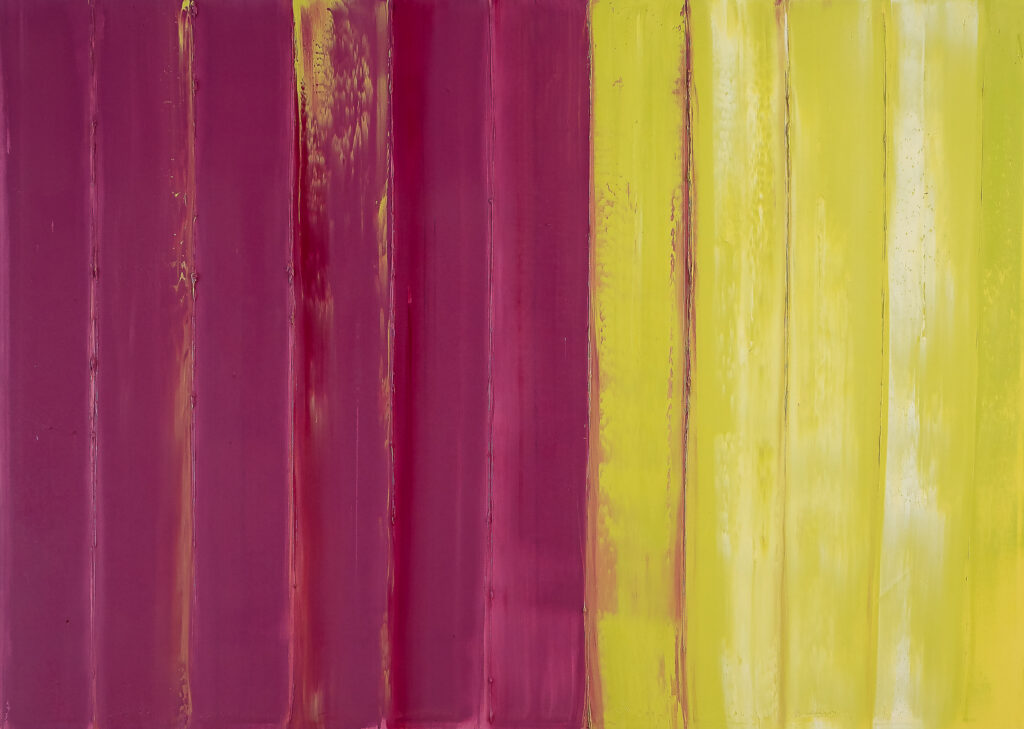
Lourdes Colombo is a visual artist from São Paulo who works across various media, including photography, installation, performance, and painting. Her research seeks to present reflections on the female body in contemporary society, addressing themes such as vanity, identity, and aging. In her painting, she explores questions of color where the voluptuousness of hues is reinforced by the carnality of oil paint, featuring color contaminations and emerging layers of chromatic relationships. She has participated in collective and solo exhibitions throughout Brazil, including at the Centro Cultural de São Paulo, MAC USP, Capela do Morumbi, and Centro Cultural FIESP, among others. Her work is held in the collections of MAC USP and "MARCO" (Museum of Contemporary Art of Mato Grosso do Sul). Additionally, her work has been published in books by Kátia Canton, such as Espelho de artista and Novíssima arte brasileira: um guia de tendências, among other publications.
How did your journey into the art world begin?
My journey began at the age of 15 when I took landscape painting courses. Later, I attended the Belas Artes de São Paulo, where I came into contact with contemporary art. However, it was only in the 90s that I became interested in the feminine universe. During this period, I received project orientation from Sergio Romagnolo and Leda Catunda, studied Art History with Rodrigo Naves, and underwent artist mentoring with a focus on art and technology with Lucas Bambozzi and Fernando Velásquez.
How would you describe your artistic style?
My style focuses on self-portrait photography, where I perform for the camera. I also work with video, installation, and abstract paintings.
What themes do you prefer to explore in your works?
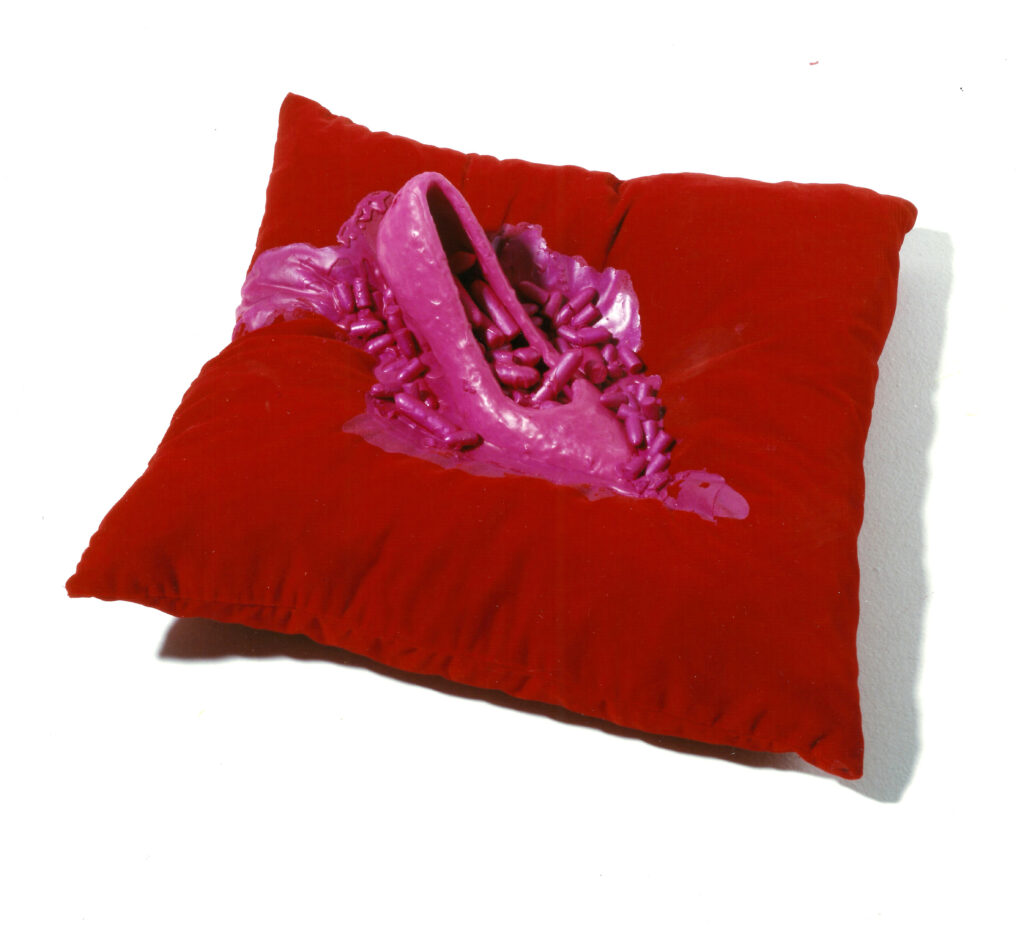
My theme is the feminine universe in our contemporary society—its vanity, identity, the non-standard female body, and aging—as well as the difficulty we have in dealing with these issues. In painting, I seek the sensuality of color, reminiscent of makeup tones, as well as gesture and the carnality of the paint itself.
What is your creative process like?
My creative process stems largely from my reading. I typically think of a theme related to my research and create mind maps and word diagrams to build narratives around the feminine universe.
Who are the artistic influences that have impacted your work?
Artists who have delved into feminism, such as Judy Chicago; those who work with the body, like Ana Mendieta; video art pioneers like Anna Bella Geiger; and, in painting, Mark Rothko.
What is the meaning of art in your life?
Art is a way of thinking about life, addressing daily issues, and maintaining a political stance.
What advice would you offer to artists just starting out?
Go to your studio every day, even if it is just to think. Participate in study groups and visit exhibitions.
Have you participated in any notable exhibitions that you would like to share?
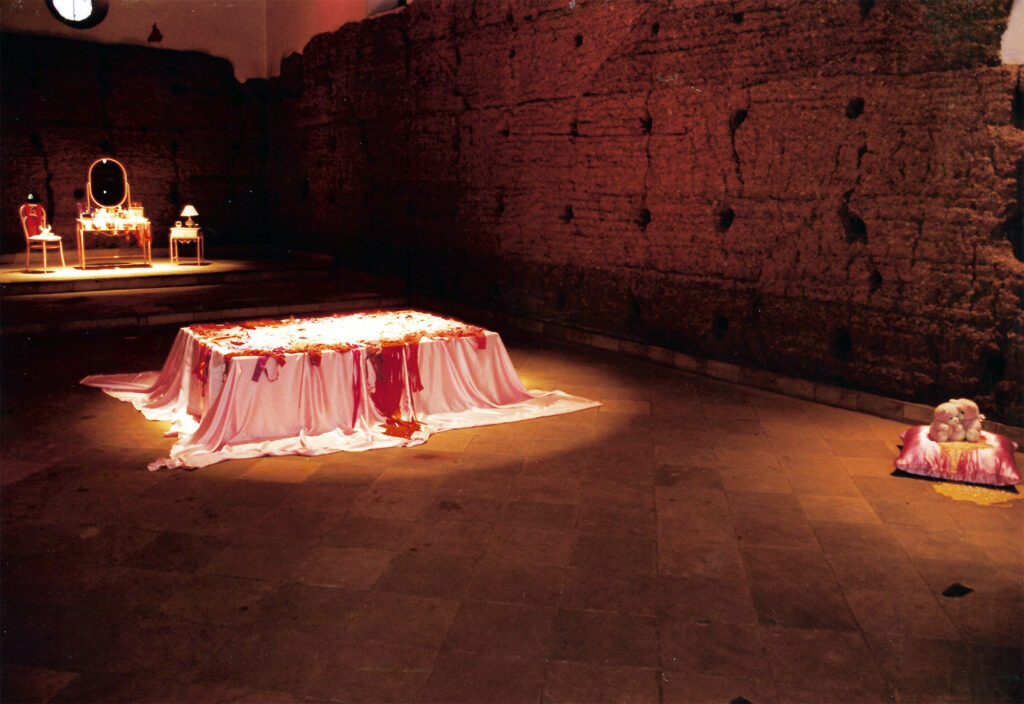
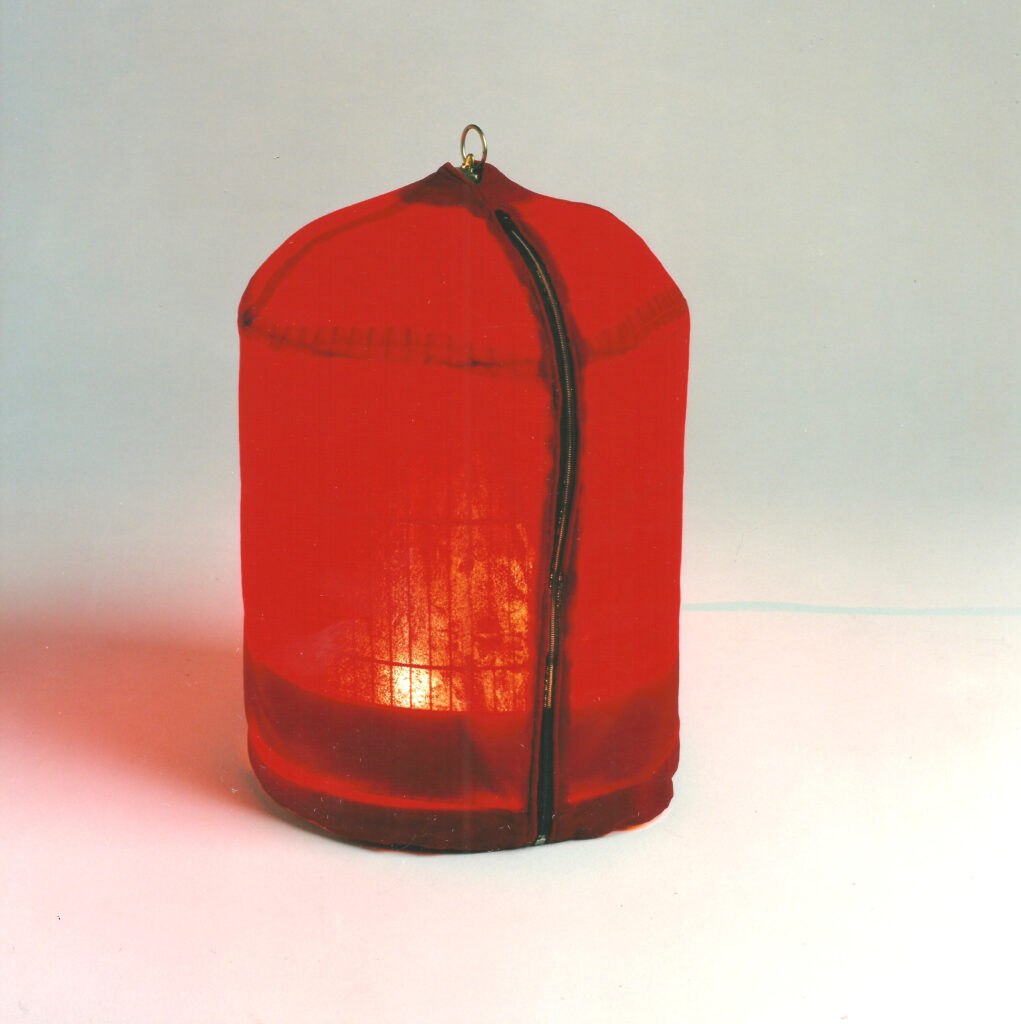
Yes. The installation I created at the Capela do Morumbi. This exhibition brought more clarity to my research; I was able to develop my perception of space as well as my poetics. Lingerie, cosmetics, makeup, and a satin bed under directed lighting composed a theatrical environment—a profane bedroom within that chapel.