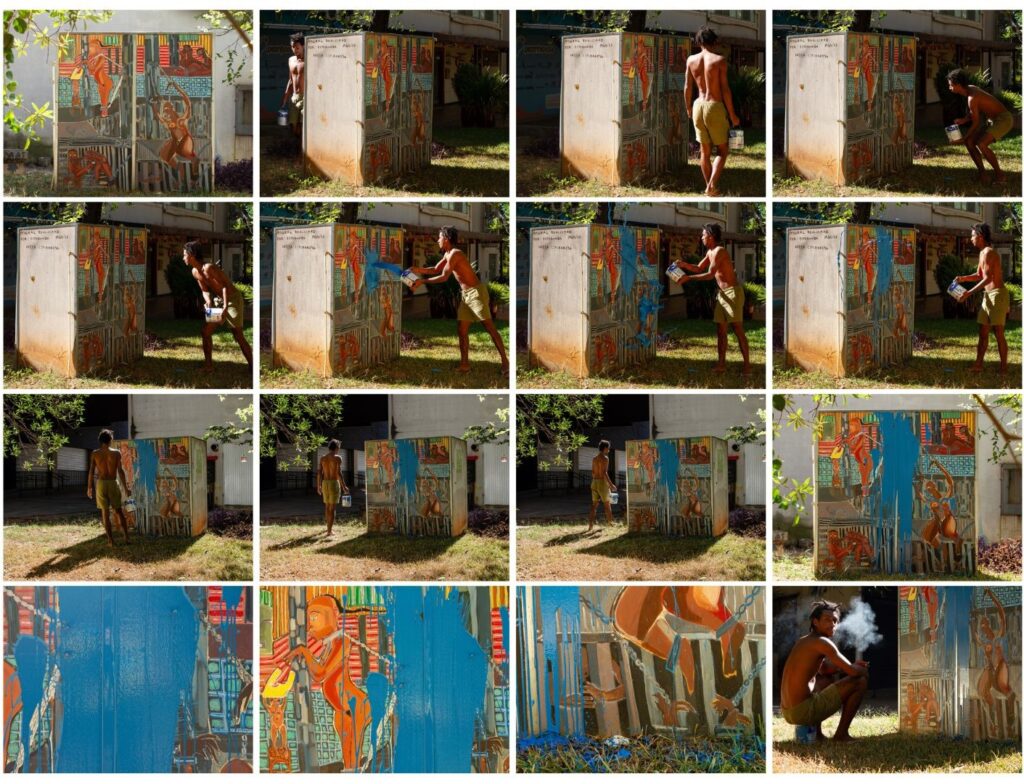
Altimar Rocha is a visual artist whose practice explores themes of memory, identity, and ancestry, particularly linked to Black culture and the African diaspora in Brazil. His journey began with graffiti and urban intervention, evolving into research focused on personal and collective histories. Altimar uses materials charged with symbolism, such as earth pigments and everyday elements, to investigate cultural erasure and the connection to his Bahian roots. His works frequently engage the audience through intense emotions, such as longing (saudade) and resistance, bringing silenced narratives to the surface. Currently, his projects explore the relationships between memory, space, and performance, seeking to reconstitute family ties.
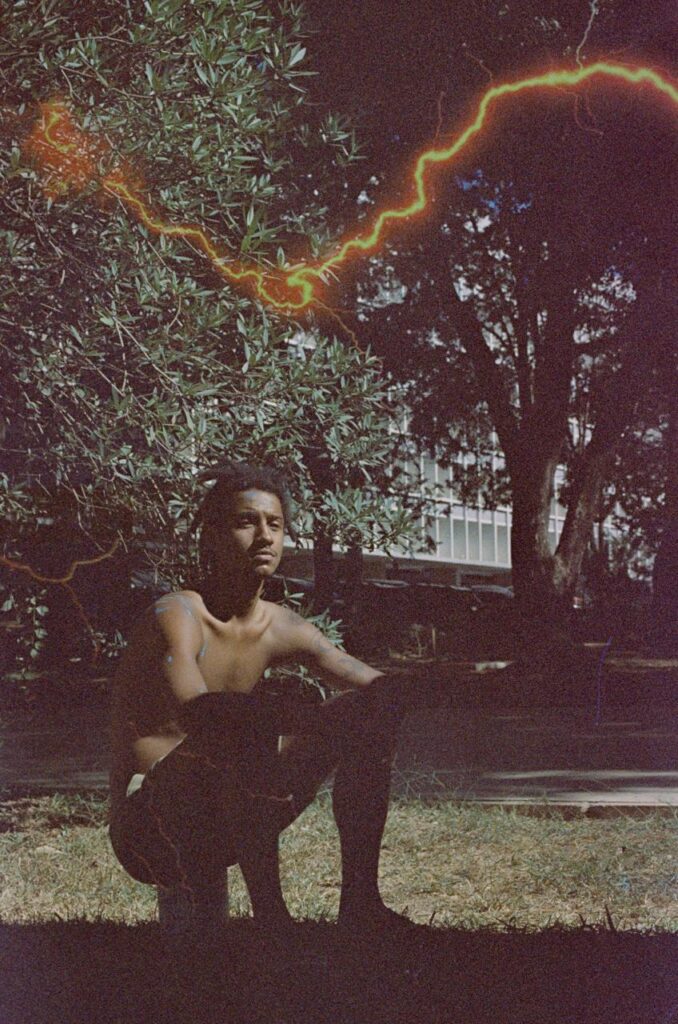
How did your journey into the art world begin?
My journey in the art world began in childhood, when I had my first contact with painting at age 8. However, it was in my teens, around age 17, that I returned to artistic practice through graffiti and pichação, forms of expression that connect me to the streets and urban aesthetics. These experiences awakened a critical eye for the city, its dynamics, and the stories hidden within its walls.
Art became a means to express feelings that, for a long time, I couldn't externalize—such as pain, fear, and longing. Over time, I expanded my practice into other languages, such as woodcut, installations, and performances, always guided by an empirical and authentic approach. Today, my work reflects my life path, from street interventions to the search for reconnection with my origins and ancestry. Art is not just a craft, but a space to explore my identity, my memories, and the stories I wish to tell.
How would you describe your artistic style?
My artistic style does not follow the conventional paths of the art system. It was born from my urban experiences and the streets, where I began my trajectory with pichação and graffiti. These practices were my first form of artistic expression, carrying the raw and direct character of the city, with messages that occupied public space and dialogued with daily life.
Today, my work reflects this urban origin but expands into other languages, maintaining the spirit of contestation and emotional connection. My style carries empirical traits because everything I develop comes from lived learning rather than traditional art schooling. It is a style that mixes the chaos and beauty of urban life, exploring feelings. My works seek not only to narrate personal stories but also to provoke reflections on the social and cultural dynamics that shape our existence.
What is your creative process like?
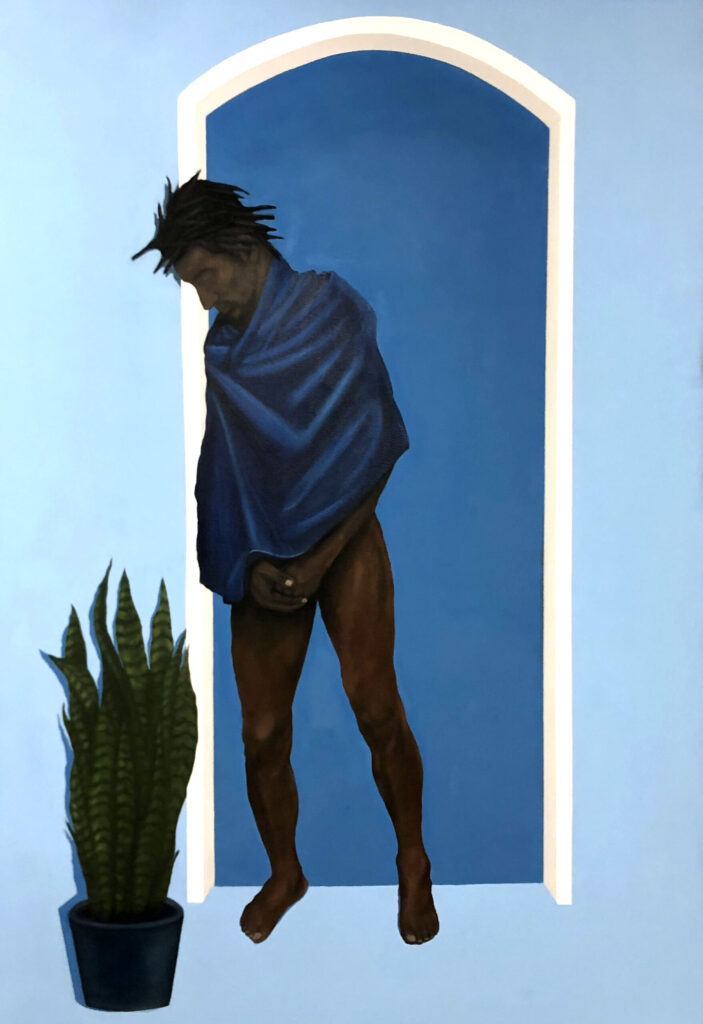
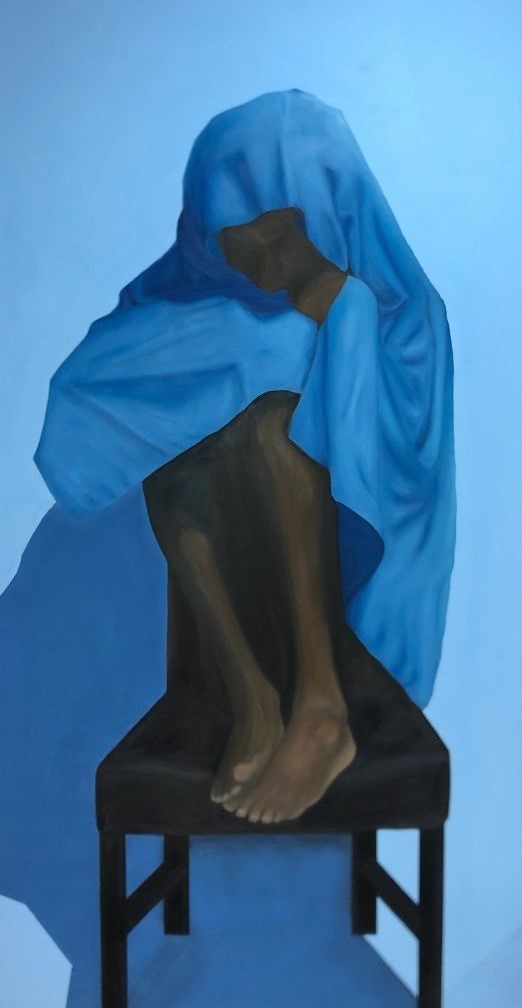
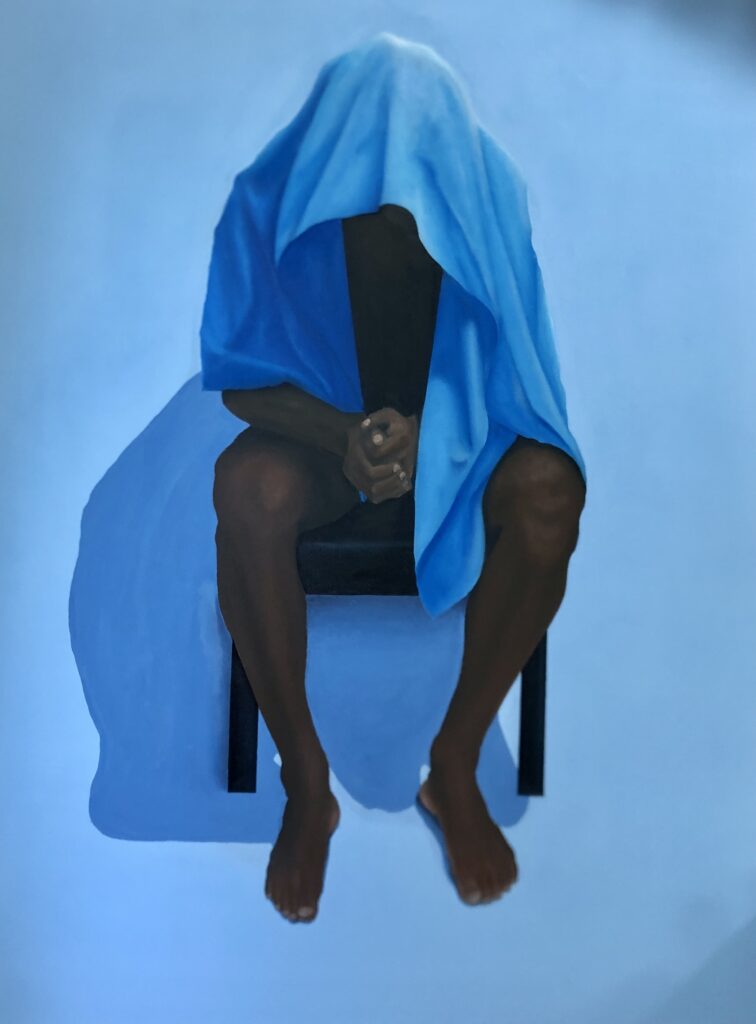
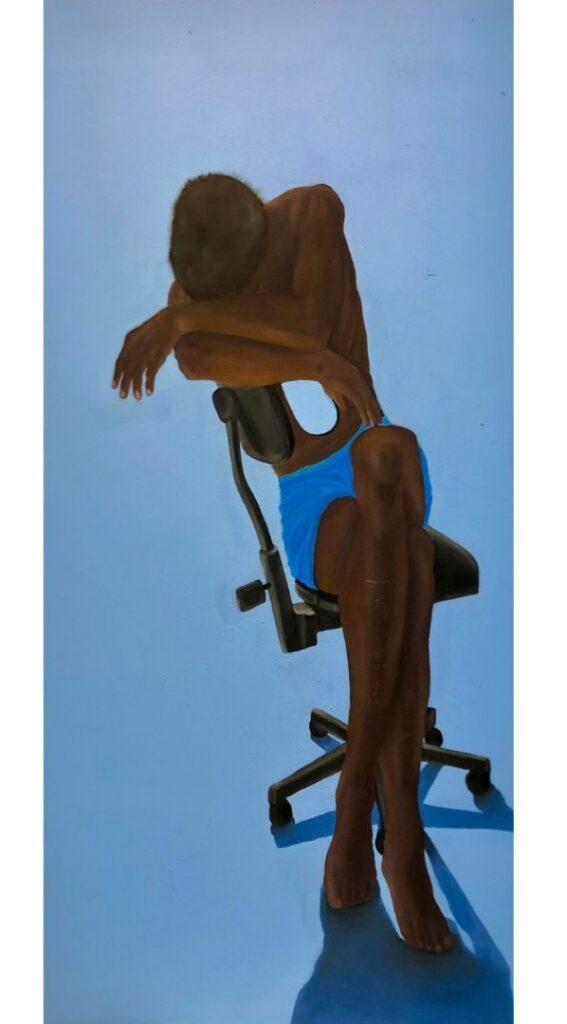
Currently, I have been deepening my research and use of the color blue in my works. From this color, I develop my canvases, which often have characteristics of self-portraiture, though not all are. However, in every work, in some way, I am there. I only work with what I know, and the only person I really think I am is myself.
When I feel a sentiment that I need to express through painting, I first think about it: how it affects me, how I feel in the face of it, and from that reflection, I seek the way to represent it on the canvas. It is a process of introspection, where the feeling transforms into a color, a shape, a texture. Painting is the means by which I externalize something that often only I can understand, but which I also try to make resonate with others.
What is the meaning of art in your life?
Art, for me, is a way to remove a bit of the hate I carry inside me, something that grows more and more. In pichação, I bring hate; in painting, as well. In my speech, it is present. I paint because, perhaps, one day this hate will transform into something else. It isn't difficult to carry this hate, but it is a way to express something that is part of me, something I need to put out. To give vent to this feeling and, who knows, to seek some form of change in what I feel.
What is the role of the artist in today's society?
From my point of view, the role of the artist in today's society is to be an agent of reflection and transformation. Art has the capacity to question, provoke, and show what is ignored or silenced. For me, art is not a game or something superficial; it is a serious tool, a way to expose pain, resistance, and the reality of those who have no voice. To give visibility to these themes and, at the same time, create a space for reflection and change. Art should disturb, question norms, and in doing so, help society become more conscious, empathetic, and plural. Art has the power to transform, and the artist must see themselves as someone who, through their work, seeks more than just expressing feelings: they seek to provoke transformation in reality.